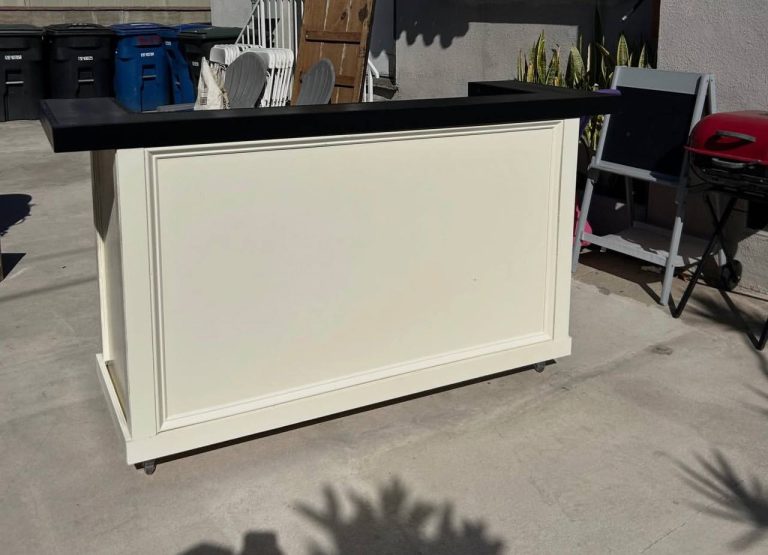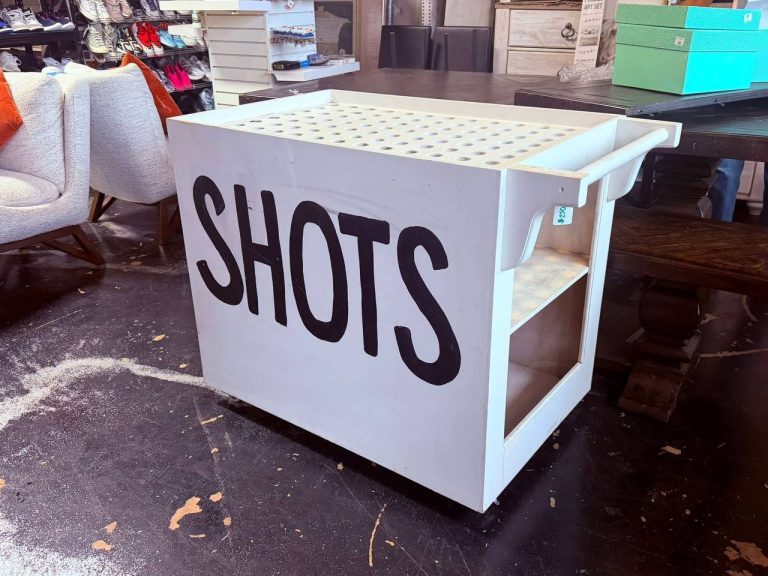
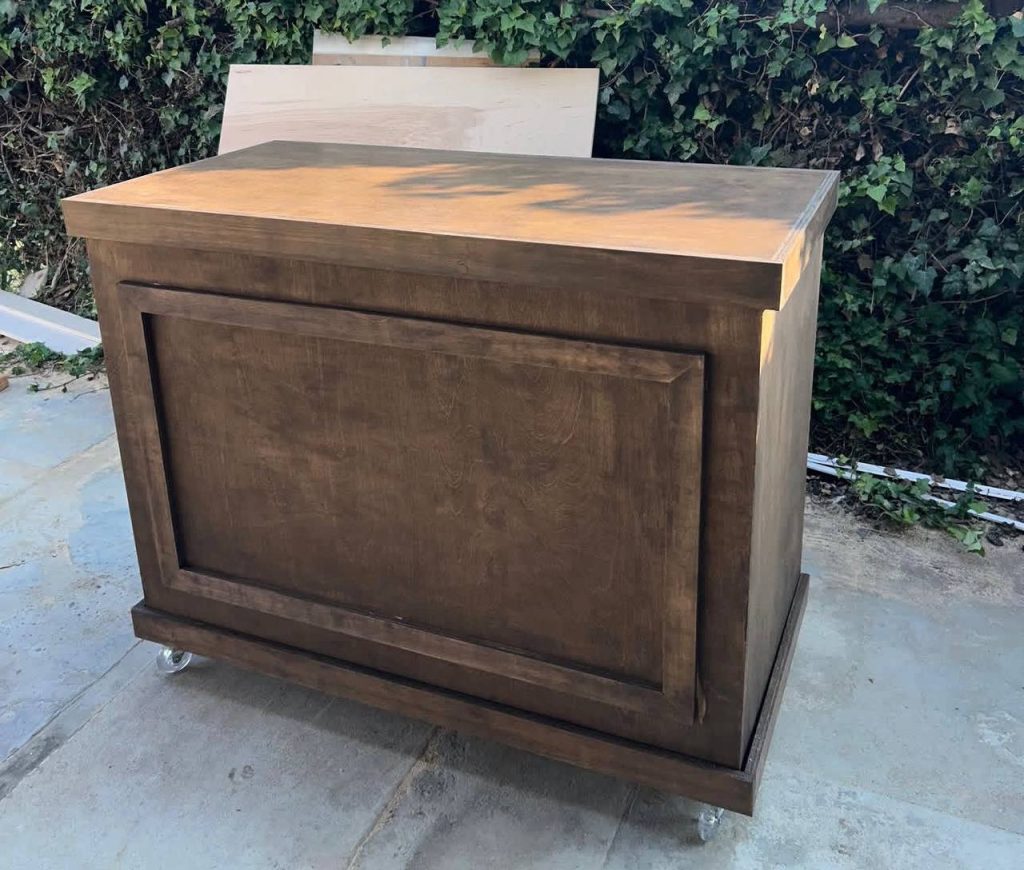
A cart spends most of its life not serving anyone. It is being pushed across a parking lot, strapped into a trailer, rolled up a ramp, parked in a garage or waiting under a tarp. How you handle those hours decides how long the cart stays looking like the day it left the shop. This article is about moving, loading and storing a cart, and the few habits that protect a finish and a set of casters through a season of events.
Casters: the part that takes the beating
Everything we build rolls on casters, and the casters are the first thing to think about when you are moving a cart regularly. A few points that have held up:
- Size. Casters in the range of four to five inches in diameter are typical on a full size cart. Smaller wheels catch in expansion joints, gravel and door thresholds. Larger wheels roll better but raise the counter, which has to be allowed for in the design.
- Load rating. Add up the loaded weight of the cart, with water and equipment, and divide by three, not four, because on uneven ground one caster is often in the air. Choose casters rated above that number each.
- Locking. At least two casters should lock both the wheel and the swivel. A cart that cannot be locked still on a sloped patio is a cart that will move during service.
- Tread. Soft, non marking polyurethane tread is kind to venue floors and quiet on hardwood. Hard tread rolls easier on rough ground but will leave marks and make noise indoors.
- Mounting. Casters should bolt through a solid base rail, not screw into the bottom of a panel. We build a dedicated base frame into every cart for this reason.
Check the caster bolts a couple of times a season. They loosen, especially on carts that live in a trailer. If a wheel develops a flat spot from sitting loaded in one position for months, it will thump on every rotation; rotating the cart a quarter turn in storage now and then helps, and so does unloading the water.
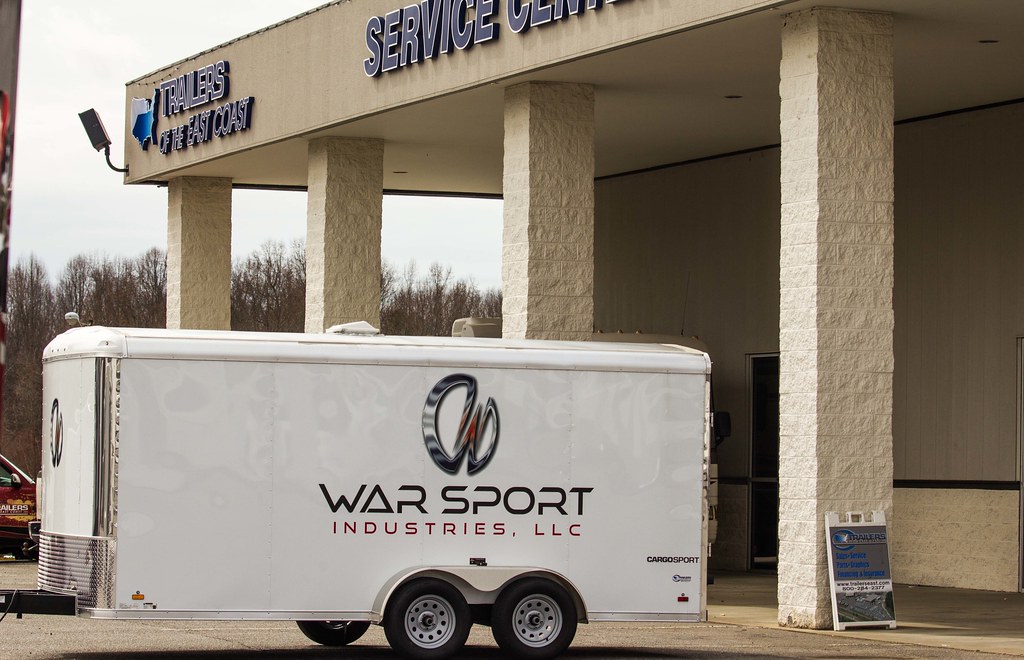
Vehicles, trailers and ramps
A compact cart will go in the back of a van or a large SUV. A full size cart needs an enclosed trailer or a box truck, and most operators who run events regularly end up with a trailer. The things that matter when choosing one:
- Interior height. Measure the cart at its tallest point, usually the raised counter or the canopy posts if they do not come off, and add clearance.
- Ramp length and angle. A short ramp is steep, and a heavy cart on a steep ramp is dangerous to one person. Longer is better; a folding extension helps.
- Door opening width, which is often less than the interior width.
- Tie down points. You want at least four, low on the walls or in the floor, positioned so straps can pull the cart in two directions.
- Floor surface. A smooth floor is easier to roll on and easier to clean after a spill.
Load the cart with its heaviest end toward the front of the trailer, over or ahead of the axles, and strap it down low, through the base frame rather than over the counter. A ratchet strap over a maple top will dent it. Chock the casters even when they are locked; locking casters resist rolling, not sliding on a bouncing floor. Leave the fold down shelves folded and latched. Empty the tanks before travel unless you are driving a short distance to a venue with no water, in which case strap the tanks separately.
If one person is loading the cart, get a winch or a ramp with a shallow enough angle that you can hold the cart stationary on it without straining. If you cannot hold it still halfway up, the ramp is too steep for that cart alone.
Rolling on site
Most damage to a cart happens in the last fifty feet. Gravel, grass, a lip at a doorway, a drain grate in a courtyard. Walk the route first, even if it is short. Then:
- Push, do not pull. You can see where it is going and you are not in front of it if it gets away.
- Lift the leading edge over thresholds rather than ramming them; a second person makes this easy.
- Cross drain grates, expansion joints and rails at an angle so only one caster drops at a time.
- Use plywood runways or interlocking ground mats over grass and gravel. Two pieces of half inch plywood, leapfrogged, will get a cart across most lawns.
- Keep the fold down shelves folded until the cart is parked. They are levers for twisting the cart if they catch something.
Once parked, lock the casters, check that the counter is level enough that cups do not slide (a small level lives on many carts for this reason), and only then unfold the shelves and set up.
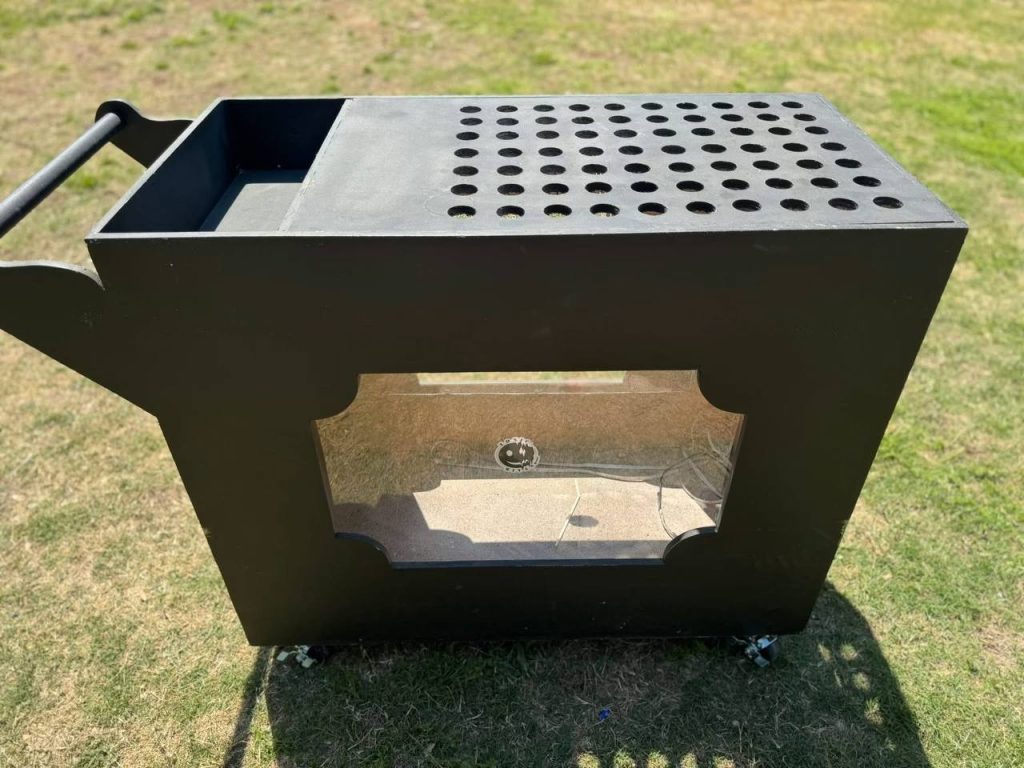
Storing between events
Where the cart lives between events matters more than most people expect. Three things damage a stored cart: moisture, sun and being used as a shelf.
Moisture. Plywood and solid wood both move with humidity, and a finish slows that but does not stop it. A cart stored in a damp garage with the tanks still half full will develop musty smells and, eventually, swollen edges wherever the finish has been breached. Drain and dry everything after every event. Leave cabinet doors and tank bays open so air moves. If the cart lives in a trailer, crack the vents.
Sun. Ultraviolet light fades paint and stain and yellows some clear finishes, unevenly, which is worse than evenly. A cart stored outdoors under a tarp still gets sun on the exposed ends, and a tarp traps moisture against the finish. If outdoor storage is unavoidable, use a breathable cover that stands off the surface, and turn the cart periodically.
Being used as a shelf. A cart in a garage attracts tools, paint cans and boxes. Each one is a scratch waiting to happen, and a can left on a maple top overnight can leave a ring that takes real work to remove. Cover the top with a moving blanket and resist the urge.
Freezing. If there is any chance of a hard freeze where the cart is stored, drain the pump, heater and lines completely and leave the taps open. We have seen more carts damaged by a single cold night than by a whole season of events.
Keeping the finish looking good on the road
Most of the wear on a working cart is cosmetic, and most of it is preventable.
- Wipe the counter down with a damp cloth and a mild cleaner after every shift. Coffee, milk and citrus left overnight are what etch and stain a finish.
- Do not let water stand on wood tops. A drip tray under the machine’s drain and a towel under the pitcher rinser cost nothing.
- Use a cutting board and a coaster for anything hot. A maple top takes heat better than most finishes do.
- Felt or rubber feet under the grinder and the machine stop them from walking and scratching.
- Touch up chips in paint promptly with the matching color so moisture does not get under the edge. Ask your builder for a small container of the finish when the cart is delivered.
- Reapply a hardwax oil top once or twice a season if the top was finished with one; a film finish needs less attention but is harder to repair.
We go into finishes in detail in the Workshop Notes article on finishes and stains. The short version is that the finish you choose decides how you maintain it, so choose with the maintenance in mind.
A short routine after every event
- Drain the tanks, run the pump dry, drain the heater if it will freeze.
- Wipe down every surface and leave the bays open to dry.
- Fold and latch the shelves, chock and strap the cart.
- Check the caster bolts and brakes once a month.
- Store under a blanket, away from sun and damp, and not under the paint cans.
A cart treated this way will look close to new for years. A cart that is thrown in a trailer wet and forgotten until the next booking will look its age by the end of the first season, and the difference is maybe fifteen minutes a week.