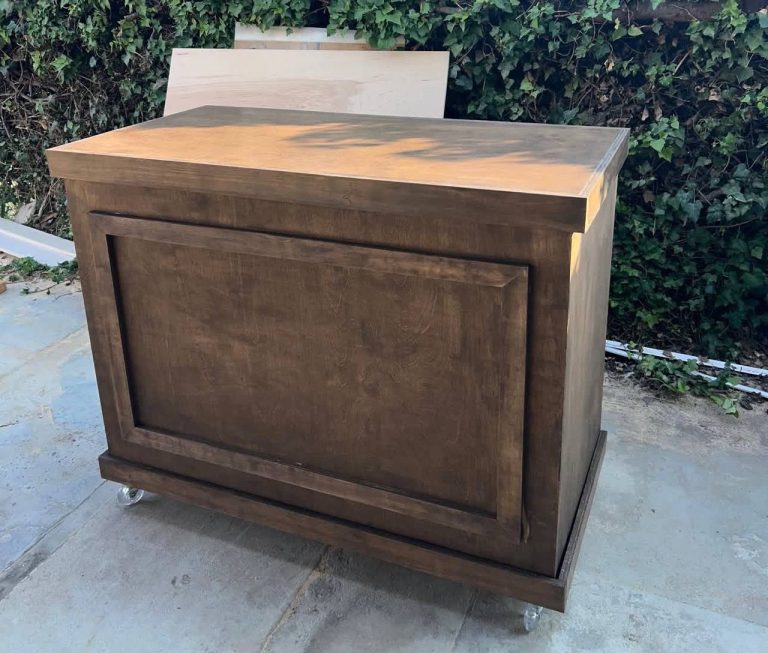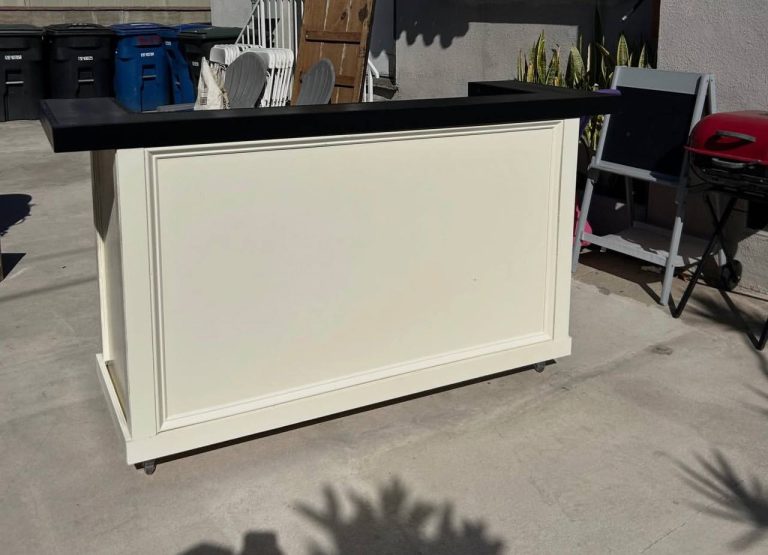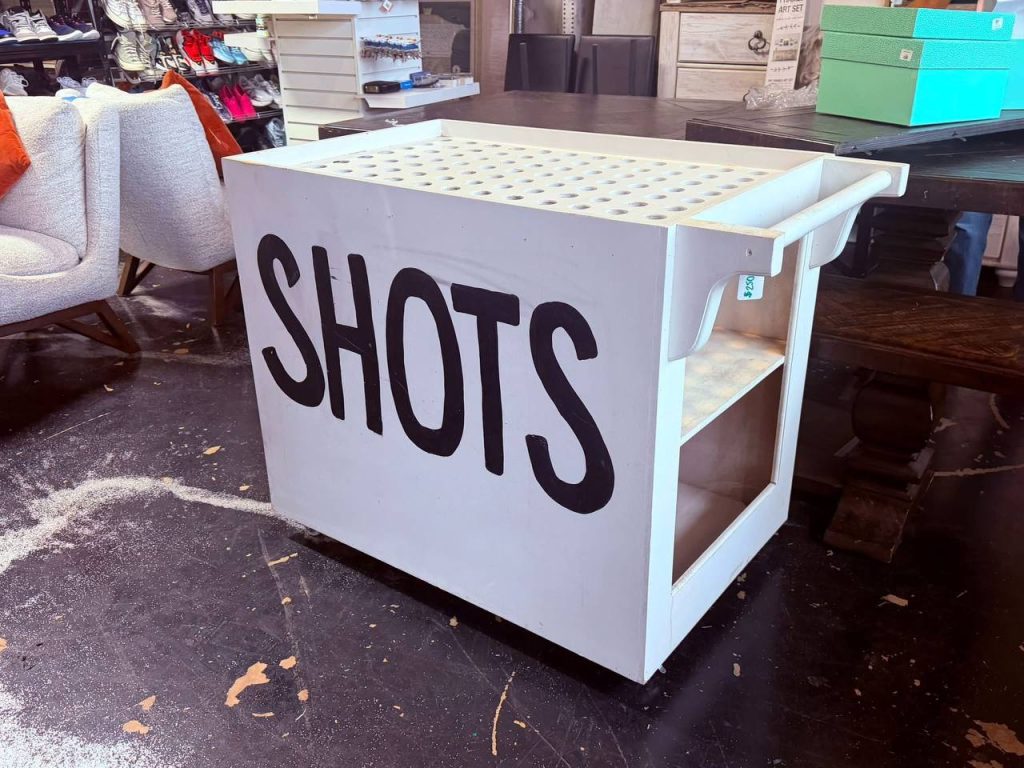
The most common pricing mistake we see among new cart owners is not charging too little for a cup of coffee. It is saying yes to a pop up without working out what the day actually costs, and finding out at the end that a busy Saturday paid less than a quiet shift at a regular job. This article is about building a simple, repeatable way to price a pop up, whether it is a farmers market, a storefront collaboration, a neighborhood festival or a Saturday outside a gym. It will not give you prices, because your costs and your market are yours. It will give you the arithmetic.
Start with the cost of the day, not the price of the cup
Before you think about what to charge per drink, add up what it costs you to show up. Be honest and include your own time.
- Your hours. Setup, service, teardown, and the drive each way. A four hour market is rarely less than a seven hour day door to door.
- Any help. A second person for the rush, paid at whatever you actually pay them.
- Vehicle costs for the round trip, including fuel and a share of the trailer and insurance.
- Fees. Market booth fees, event vendor fees, a percentage of sales if the organizer takes one, temporary permit fees, payment processing.
- Consumables that are used whether you sell one cup or two hundred: ice, water, sanitizer, paper towels, propane or generator fuel.
- A share of the fixed costs of the business: the cart, the equipment, the commissary rent, the annual permit, the insurance policy. Divide your annual fixed costs by the number of events you realistically expect to work, and that is the share each event has to carry.
The total is your break even for the day before you have bought a single bean. Write it on the top of the page. Everything that follows is about getting above that number by a comfortable margin.
Then the cost per drink
For each item on the menu, cost out the ingredients and the packaging: coffee, milk, syrup, cup, lid, sleeve, straw, napkin. Round up. Then look at your break even, estimate how many drinks you can realistically sell at that event, and check what each drink must contribute above its ingredient cost to clear the day.
As an example of the arithmetic, not a suggestion of what to charge: suppose your break even for a day comes to a few hundred dollars, and you believe you can sell a hundred drinks. Each drink then needs to contribute a few dollars above its ingredients just to break even, and more than that to actually pay you. If your menu price minus ingredients does not get there, the event does not work at that volume, and you have learned that before the day rather than after.
The number you will be most wrong about is volume. New operators consistently overestimate how many drinks they will sell at an unfamiliar event. Ask the organizer how many people attended last year, ask other vendors what they did, and then plan on a figure below the one you were given.
Three ways to charge for a pop up
Most pop ups fall into one of three arrangements, and part of pricing is choosing the right one for the event.
Per drink to the public. You set up, people buy, you keep what you sell minus any fee. All of the volume risk is yours. This is the right structure when you know the event, the crowd is reliable and the fee is reasonable.
Flat fee to a host. A business or organizer pays you a fixed amount to be there, and drinks are free to guests or sold at a low price. The host carries the volume risk; you carry the obligation to show up fully staffed regardless. Price it off your break even plus the drinks you expect to pour plus a margin that makes it worth giving up a Saturday. This is common for grand openings, employee appreciation days and real estate events.
Minimum guarantee plus sales. The host guarantees a floor; if public sales exceed the floor, you keep the sales, or you split above a threshold. This is the fairest structure for an unknown event because neither side carries all the risk, and it is worth proposing when a host asks you to work an event you are unsure about.
Whatever structure you choose, put it in writing with the event date, hours, location, what the host provides (power, water, a table, a tent, parking) and what happens if the weather cancels the event.
Things that quietly change the price
- Power and water. If the venue has neither and you have to run a generator and haul water, the day costs more and takes longer. Charge for it.
- Load in. A ground level spot next to your vehicle is a different day from a cart that has to go up a freight elevator and across a convention floor. Ask about the load in before quoting, every time.
- Hours. A host who wants you from seven to nine in the morning and then again from three to five is asking for a full day, not four hours. Price the span, not the service time.
- Menu. A simple menu of drip, cold brew and a couple of espresso drinks moves fast. A long menu with custom syrups and food slows the line and raises waste.
- Exclusivity and branding. If a host wants their logo on cups or wants you to not work for a competitor that week, that is a value to them and a cost to you.
- Weather. Outdoor events in high summer or deep winter are harder on you, your equipment and your sales. A hot day can double your ice and halve your hot drink sales.
The minimum you will accept
Decide, in advance and in writing for yourself, the smallest amount a day has to pay before you say yes. Not the break even; the number that actually makes it worth doing. Having that number lets you say no to the festival with the high fee and the vague attendance numbers without agonizing over it, and say yes to the quiet weekly market that reliably clears it. Most profitable cart businesses we know are built on a small number of reliable recurring events plus a few well paid private bookings, not on chasing every festival.
Tracking so next year is easier
After every event, before you forget, write down: the date and event, the hours door to door, the fee, drinks sold by type, gross sales, ingredient cost, any extra costs like ice or parking, and a one line note on what you would change. A spreadsheet is fine. Within one season you will have real numbers for the events you actually work, and your pricing for next year will come from your own data rather than from guessing. You will also see clearly which events to drop.
A simple pricing routine
- Add up the full cost of the day, including your hours and a share of fixed costs.
- Cost each menu item including packaging, and round up.
- Estimate volume conservatively, from the organizer’s numbers and other vendors, then shade it down.
- Pick the structure: per drink, flat fee or guarantee plus sales.
- Adjust for power, water, load in, hours, menu and weather.
- Check it against your personal minimum. If it does not clear, counter or decline.
- Put the agreement in writing.
- Record the actual results afterward.
It is not complicated and it does not need to be. The operators who struggle are rarely the ones with bad coffee. They are the ones who never did the arithmetic and kept saying yes.