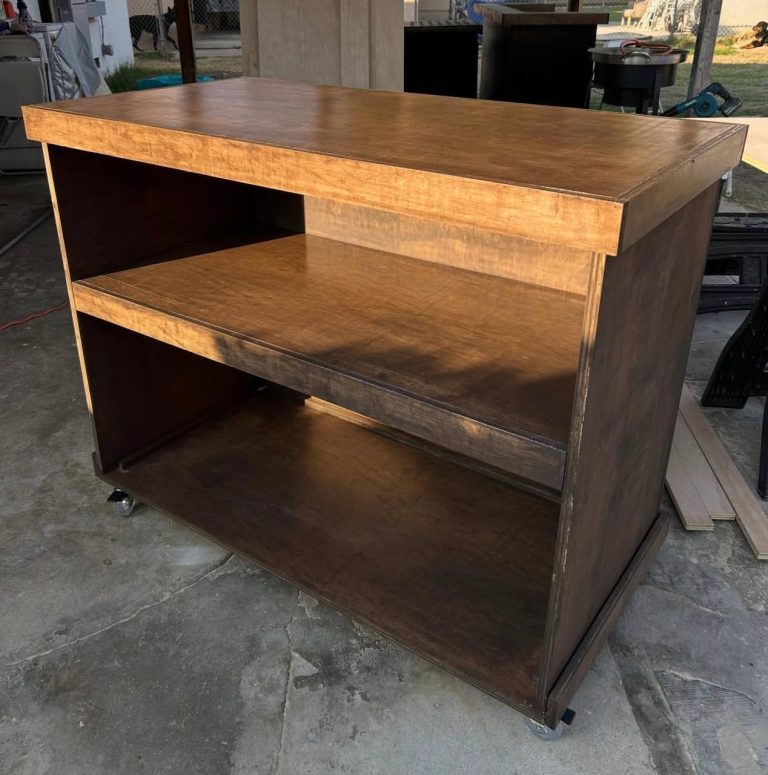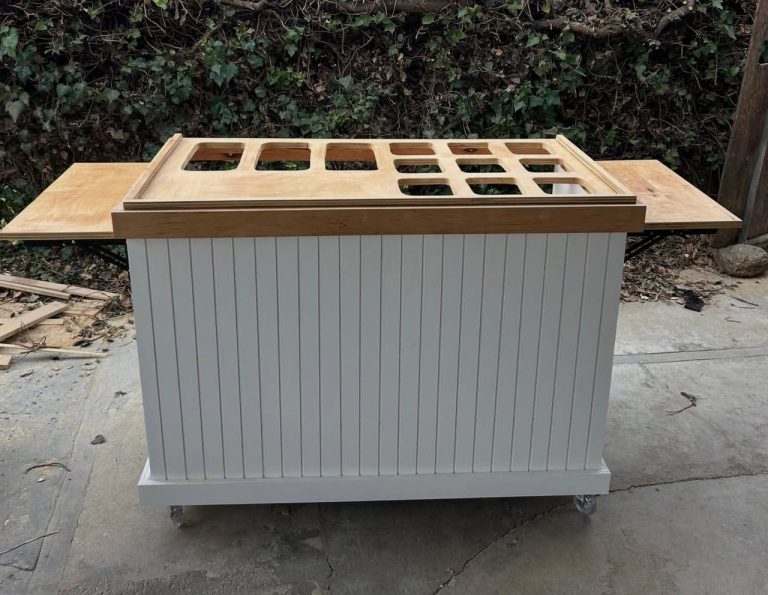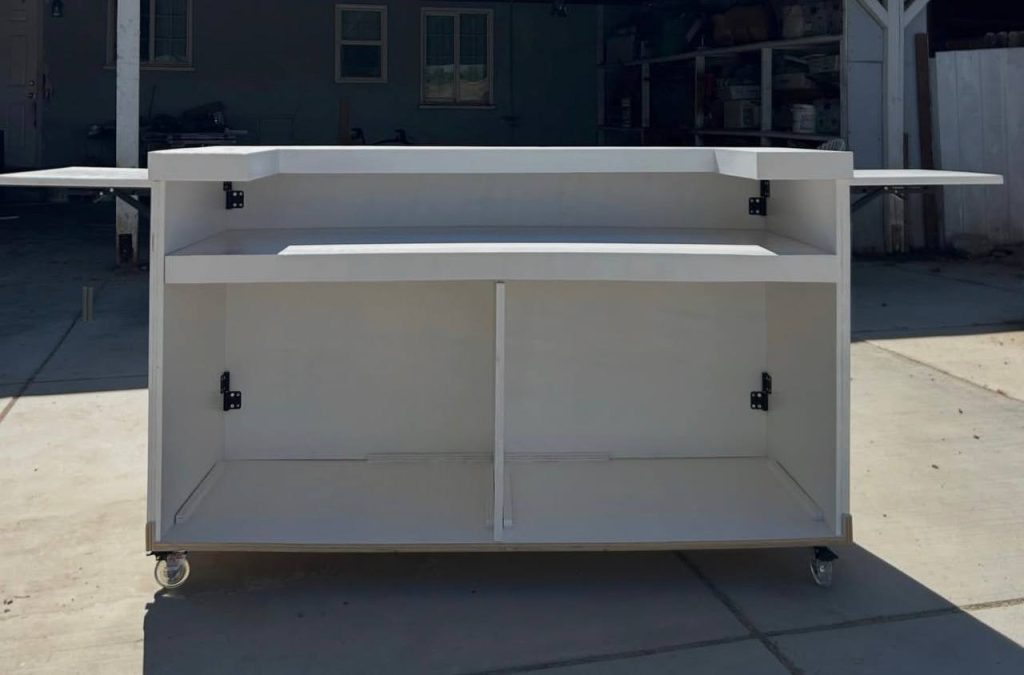
Before any of the fun parts, before you pick a finish or argue about canopy fabric, you need to know what your health department expects of a mobile food unit, because it will shape the cart. We build carts for people in many states and the single most consistent thing we have learned is that the rules are not consistent. They differ by state, they differ by county within a state, and sometimes they differ by city within a county. This article will not tell you what your rules are. It will tell you how to find out, what questions to ask, and which answers change the design of the cart.
Who actually regulates a coffee or drink cart
In most of the United States a cart that serves food or beverages to the public is regulated as a mobile food unit, mobile food establishment or similar, by the local health department. In some states that is a county agency, in others a regional district, and in some places the state health department handles it directly. On top of that, a city may require a separate vending or peddler license, a fire marshal may want to see your propane or generator setup, and the venue itself may have rules that are stricter than the law.
Alcohol is its own world. A mobile bar that pours alcohol is regulated by the state alcohol control agency as well as the health department, and in many places the bar operator cannot sell alcohol at all but can serve what the client provides. That distinction decides your whole business model, so settle it first.
Start with a phone call to the environmental health office of the county where you will operate most. Ask them for the mobile food application packet and the plan review requirements. Then ask who else you need to talk to. The person on the phone has heard every version of this question and will usually tell you.
The questions that change the design of the cart
When people come to us to start a build, these are the things we need to know from their health department before the drawing is final. Get written answers where you can, or at least the name of the inspector you spoke with and the date.
- Is a handwash sink required on the cart, and what are its minimum dimensions and water temperature? Nearly everywhere says yes for anything beyond prepackaged items. The size and the hot water requirement vary.
- Is a three compartment sink required on the cart, or can it live at a commissary? This is the biggest fork in the road. A three compartment sink roughly doubles the plumbing on a cart and takes a lot of counter.
- What fresh water tank capacity is required, and what ratio of waste tank to fresh tank? A common rule is that the waste tank must be larger than the fresh tank by a set margin, often cited as about 15 percent, but confirm the figure for your county.
- Is a commissary agreement required? Many jurisdictions require a licensed kitchen as a home base for filling water, dumping waste, washing and storing stock.
- What surfaces are acceptable? Most codes want food contact surfaces to be smooth, nonabsorbent and easily cleanable. That affects which finish we put on the counter and sometimes whether a raw wood top is allowed at all.
- Is the unit required to be fully enclosed, screened or covered? A coffee cart under an open sky is fine in one county and not in the next.
- Do they inspect the cart physically before issuing a permit? If so, where, and does it need to be at operating temperature with water in the tanks?
Each of those answers either adds something to the cart or takes it away. It is much cheaper to know before the plywood is cut.
Plan review: what they usually want to see
Many health departments run a plan review for new mobile units. You submit drawings, an equipment list and a description of how you will operate, and they approve the plan before you build or before you open. A typical packet asks for:
- A scaled drawing of the cart showing the counter, sinks, tanks, equipment and storage.
- A list of every piece of equipment with make and model, and often a note that it is commercial grade or listed by a recognized testing body.
- Water system details: tank sizes, how fresh water is filled, how waste is dumped, how water is heated.
- Finish and surface materials for counters, floors and walls.
- Your menu, because the menu determines the risk category. Black coffee is treated differently from a cart that handles raw milk and fresh fruit.
- Your commissary agreement, if one is required.
- Your plan for refuse, handwashing supplies and sanitizer testing.
We can produce the drawing and the materials list for any cart we build, and most of our customers submit those directly. The operational parts, the menu and the commissary, are yours.
The commissary question
If your county requires a commissary, that is a licensed commercial kitchen where you fill your water, dump your waste, store supplies and clean equipment. Some operators rent time in a shared kitchen; others arrange with a restaurant or church kitchen. The health department will usually want a signed agreement with the commissary before they issue your permit, and some want a log of your visits.
Even where it is not required, having somewhere to fill tanks with potable water from a proper hose and to dump gray water legally is a practical necessity. Dumping a waste tank into a storm drain is illegal nearly everywhere, and a parking lot inspector who sees it will remember your cart.
Temporary event permits versus a mobile unit permit
Many operators begin with temporary food event permits, which are issued for a single event or a short run of days, often by the same office. They are usually simpler and cheaper, and the requirements can be lighter: a handwash setup and a covered service area are often enough. The catch is that you cannot build a business on them, because each event needs its own permit and some counties cap the number you can hold in a year. If you plan to be out every weekend, you want the annual mobile unit permit and a cart built to meet it.
Ask about both. Some people find that a season of temporary permits is the right way to learn before committing to the full build.
Crossing county lines
This one surprises people. A mobile unit permit from one county may or may not be honored in the next. Some states have reciprocity so a permit issued anywhere in the state is good statewide. Others require a separate permit, or at least a notification, for each county you work in. If your business plan involves weddings two hours from home, find out before you take the deposit.
What inspectors tend to look for on the day
From talking with customers after their inspections, the recurring themes are not exotic:
- Hot water actually comes out of the handwash sink.
- Soap and paper towels are present and mounted, not sitting loose in a box.
- Sanitizer is available and test strips are on board.
- Waste tank is larger than fresh, and both are labeled.
- Food contact surfaces are clean, smooth and in good repair, with no bare or cracked wood.
- Cold holding, if you carry milk, is at the required temperature with a thermometer in it.
- The cart matches the drawing they approved.
That last point matters for us as builders. If the plan review approved a cart with a handwash sink on the right end, do not move it to the left end in the shop without telling anyone.
Where to go from here
Call the environmental health office in your home county. Ask for the mobile food packet, the plan review requirements and the inspector’s name. Ask specifically about handwash sinks, three compartment sinks, tank sizes, surface materials and commissary requirements. Write down the answers with the date. Then bring that list to whoever is building your cart, because those answers are the real specification. Everything in this article is general, and your county’s rules are the ones that count.